

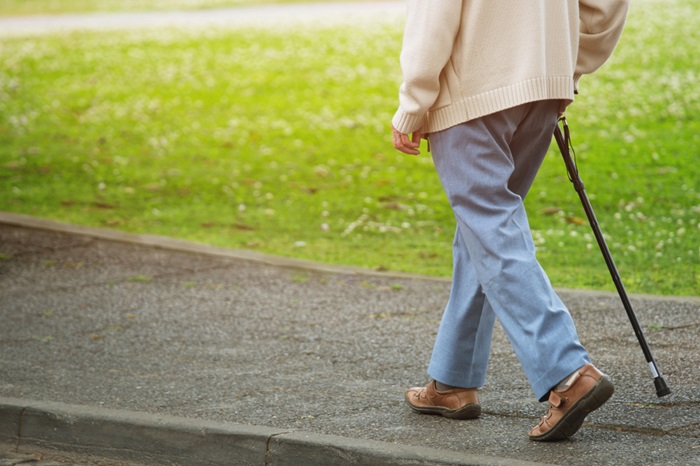
A walking stick may seem straightforward, but there’s a right way and a wrong way. Whether you are rehabilitating a foot or knee injury, living with arthritis, or have some other mobility issue, the idea is to eliminate possible injury from constant limping when using a walking aid.
At JKR International we feel that everyone has the equal right of movement. That’s why we’ve put together this easy guide on how to hold, and properly use a walking stick, without confusion or discomfort.
Why Proper Use Matters
You may assume holding a walking stick is instinctive, yet if the stick is too high, too low or held in the wrong way, it can:
- Make your hand, wrist or shoulder uncomfortable
- Increase fatigue
- Lead to instability or falls
- Cut the support you receive
Good technique increases confidence, and lessens effort, particularly if you use your walking stick frequently.
How to Choose the Correct Height of Walking Stick
Before you become a master of technique, it’s about having the right fit.
To check the correct height:
- Stand with your feet shoulder width apart, arms hanging naturally at your sides.
- The head of the stick should touch your wrist crease.
- The handle should be positioned about the height level of your wrist while your arm is relaxed and hanging straight down.
- Your elbow should be slightly bent (about 15-20 degrees) when gripping the stick. This makes it capable of moving smoothly, and not stiff.
How to use the walking stick in the right way
The proper way to hold walking stick When you’re using a hiking or walking stick for fitness, stability or balance, the way that you hold it matters.
Here’s how:
- Make sure you are holding the stick in your opposite, or weaker/injured, side to crutch(your side that needs support).
Sample: Hold the stick in your left hand if you are weaker on your right side.
- Now wrap your entire hand around the handle (don’t just grip with your fingers).
- Don’t raise or check your thumb – keep it relaxed.
- Try to keep your wrist neutral, not bent outward or inward.
This position enables your body to more naturally distribute weight and keeps strain off of your joints.
- Strolling With a Stick — Baby Steps
- You’ve got the stick the right way, so now here’s the basic motion.
- Normal Walking Pattern
- Take a step forward with your less dominant or injured foot.
- While stepping, move the walking stick forward.
- Then lift your stronger leg toward the walking stick.
Remember:
It’s like a sideways drumbeat: Lagging leg + cane steps first, then your stronger leg.
Using Stairs Safely
- Stairs are tough, but with proper technique they can be made much safer.
- Going Up Stairs
- Lead with your stronger leg.
- Now bring your stick up to it.
Finally, pull your other leg up.
Going Down Stairs
- Lay the staff on the lower step first.
- Lower it and bring second foot down next.
- Lastly, lower your stronger leg.
By following this order, it stays in balance and does not suddenly spike or drop.
Pro Tip: Always cling to handrails whenever possible, as it’s your added safety net!
Changing Direction or Turning
Here’s how to turn with a walking stick:
- Pivot on your stronger leg.
- Gently twist your body in the direction you want to go.
- The walking stick should be close to your body, not out to the side.
- Fast, crisp turns can compromise stability — so slow down.
- Walking on Uneven Surfaces
- Grass, gravel or rugged paths demand more alertness.
To stay balanced:
- Step slowly.
- Place the walking stick where you find the ground to be firm.
- Do not be a “reacher” (reaching out to make your shot) — keep the stick close to the center of your body.
- If the terrain seems too tricky, stop and reassess before pressing on.
- Grip Comfort and Accessories
Cane comfort, however, is not just a matter of technique; it’s also one of feel.
Here’s what to do for better grip comfort:
- Opt for foam or gel handles, which can alleviate stress.
- Put on a good pair of gloves that are super comfy and then one liner!
- Select a rubber tip on the bottom of your stick to help you hold onto it.
- A small improvement can add a lot to long walks!
- Listen to Your Body
Your comfort matters. If you feel:
- Wrist pain
- Hand numbness
- Shoulder or elbow discomfort
You may need to change how you hold your body, how tall you are or what style of gait you use. If it hurts, stop, your body is telling you something!
Out On The Town With Confidence
A walking stick is not just a mode of aid or mobility, but it gives you the freedom and security one needs. The proper use will help you walk more confidence, comfort and safety.
We want to support you on your path, take it one step at a time with JKR International. Whether you’re new to using a walking stick or would like to refine your technique, this guide will teach you the basics to ensure your gait is solid and stable.
Equip yourself properly. Use it correctly. Walk with confidence.